ericpendleton.com
Rev. Oct 2026 · Boston

G. Eric Pendleton

Research, communications, learning and applied AI.

Eric Pendleton, smiling, in a grey T-shirt against a white wall.

The problem rarely fits the org chart.

I help people understand complicated situations and turn that understanding into useful work. That can mean investigating a claim, making a difficult subject clear, or directing AI to build a tool worth using.

Try a few things while you're here. Explore my work, take an app for a spin, or ask Fit Check a specific question about my background. You can even paste a role or project description to see exactly where my experience connects and why. If not, it will tell you that, too.

Explore the work Fit Check About me
Working systems

Two things I directed AI to build. Both are live. Go poke at them.

There's no magic prompt. These took hundreds of hours and thousands of decisions, plus the occasional argument with a machine that was quite sure it had finished.

I defined the products and their behavior, shaped the sound in a custom Audio Lab I built, and directed the builds and deployments. GitHub repos and commits kept the changes traceable; regression testing checked that new features hadn't broken existing ones. AI wrote the code. I designed the experience and decided what was ready to ship.

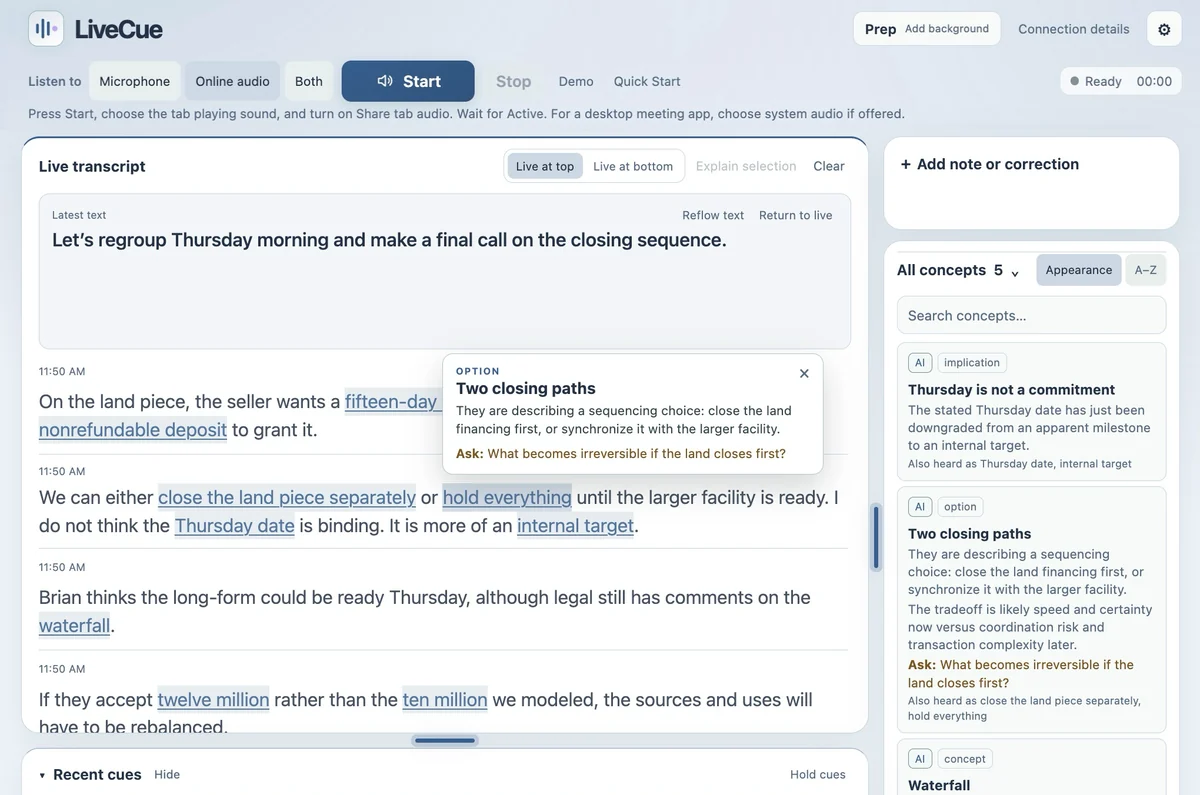
LiveCue during its demo: a live transcript of a financing discussion with terms underlined, a pop-up explaining two closing paths with a question to ask, and a concepts panel on the right.

It's OK to zone out.

LiveCue

Live meeting transcription that quietly explains the terms, acronyms and names flying past, and suggests a smart question. No frantic Googling. No pretending you know what pari passu means.

v1.7.0-dev.22Web appAudio not stored

Chrome or Edge, on a laptop or a phone (not Safari yet). Add it to your home screen and it opens like an app.

How it was built, in two weeks

In complicated business meetings, financing, legal and tech terms flew by faster than anyone could look them up. So I built the help I wanted.

I defined the product and the interface, directed the AI that built it, tested it in real meetings, and had each release reviewed independently before it went out. Two weeks, concept to reality. The demo runs without a key. For live use, you bring your own Gemini key, which is never stored on the server.

Source on GitHub ↗

The demo runs without a key. Live use takes your own Gemini key, which stays in your browser and never reaches a server.
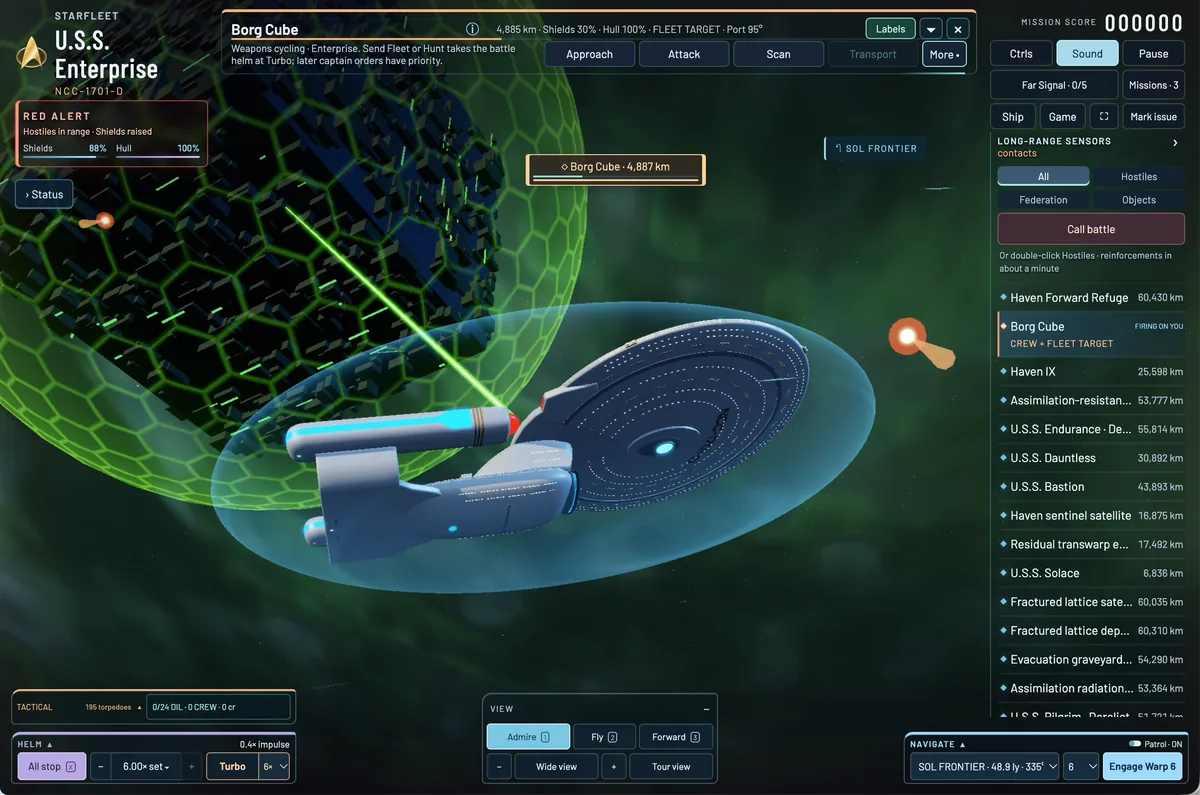
The Enterprise-D Flight Deck at red alert: shields up as a Borg Cube fires a green beam at the ship, with helm, tactical and long-range sensor panels around the view.

Take the conn.

Enterprise-D Flight Deck

A starship flight and tactical simulator. Scan anomalies, rescue derelicts, beam people around, blow things up. Fly the ship yourself, or let the crew take the helm, Captain.

37 days oldBuild 110Browser

Any modern browser, on a laptop or a phone. Built by someone who doesn't write code; the story of how is below.

Why I built it, and how

Born September 10, 2026 · 37 days old

Why

I wanted to play an old Star Trek game. It doesn't exist anymore. The Windows version survives, but those things never run well on a Mac, and the juice wasn't worth the squeeze.

So I tried the online Star Trek games. I'm not a big gamer. The few I found were restrictive, stingy with free resources, and confusing. I just wanted to admire the Enterprise. Fly around. Fly it myself, or put it on autopilot and let the crew do the work.

On September 10, 2026, I decided to build my own.

How

The game became the experiment. Could someone who doesn't write code direct AI to build something truly complex, then test it, debug it from its own flight logs, and keep piling on features without losing control?

I set the direction and wrote the specs. I played every build and read the telemetry. ChatGPT and Codex wrote the code. Claude and Gemini reviewed each build independently before release. Saucer separation, fleet behavior, docking, mobile controls and far too many edge cases came out of that loop.

Turns out, yes. Build 110, day 37.

Source and build records on GitHub ↗

Unofficial, non-commercial fan project. Not affiliated with or endorsed by Paramount or CBS Studios.

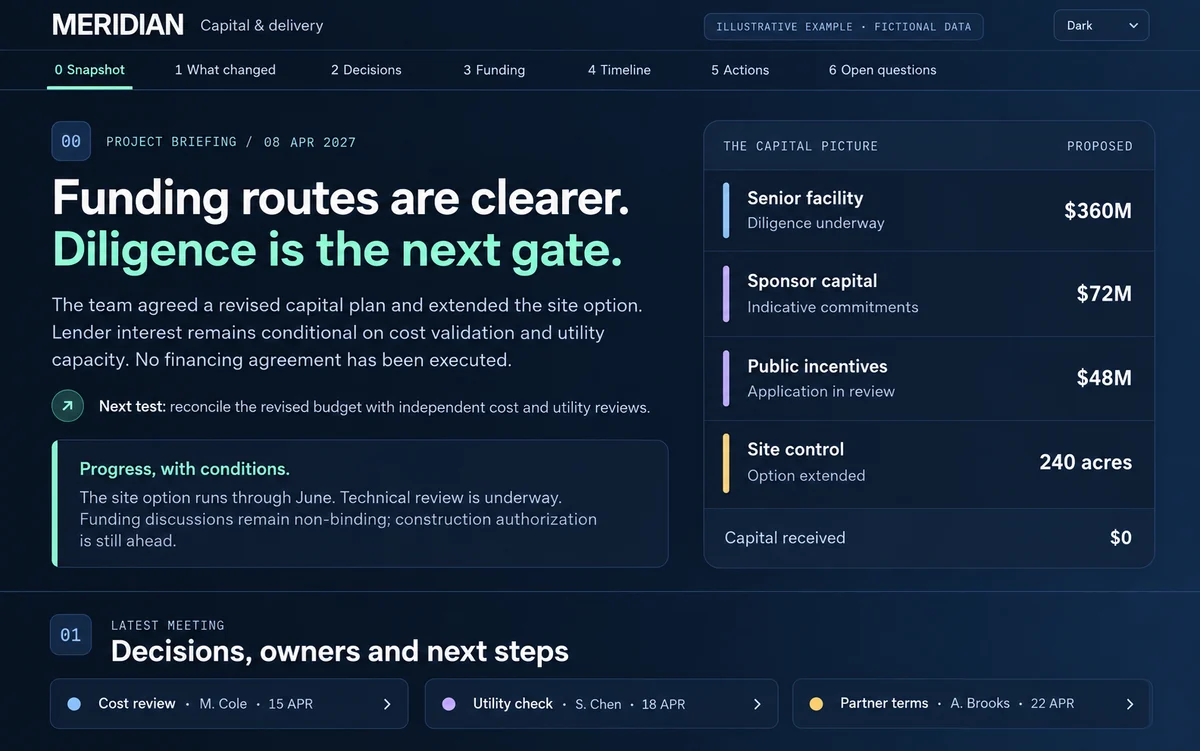
Illustrative infrastructure project briefing showing financing status, decisions, responsibilities and next steps. All project details are fictional based on real events.

Infrastructure Project Briefing Private

A complex project shouldn't require a complicated explanation. This is what today's meeting notes (should all) look like.

This is how I turn meetings and source documents for a major infrastructure development into a weekly executive briefing: what changed, what was decided, what remains conditional, and who needs to do what next. AI helps organize the material; I verify the claims against their sources and determine what deserves attention.

Illustrative example using fictional names, figures and details for a real ongoing project I'm a partner in.

The Hub: five platforms reading from and writing to one shared record, a sheet on a folder and a protocol, under the same rules. one record · same rules ChatGPT Claude Gemini Gmail Drive

The Hub In progress

Because “where the hell did I leave that?” is not a workflow.

I work across ChatGPT, Claude, Gemini, Gmail and Drive. Each one remembers its own conversations. None of them remembers the others'. So I built a boring source of truth with a smart layer on top: plain, static tools, a Drive folder, a sheet, a protocol document, that every AI reads from and writes to under the same rules. Each platform can pick up the same project record without reconstructing the conversation.

The payoff is that each project is about that project's goals, not about hunting down where the last decision went. The infrastructure is built. Going from frantic to organized is good for your blood pressure.

The ice cream stand

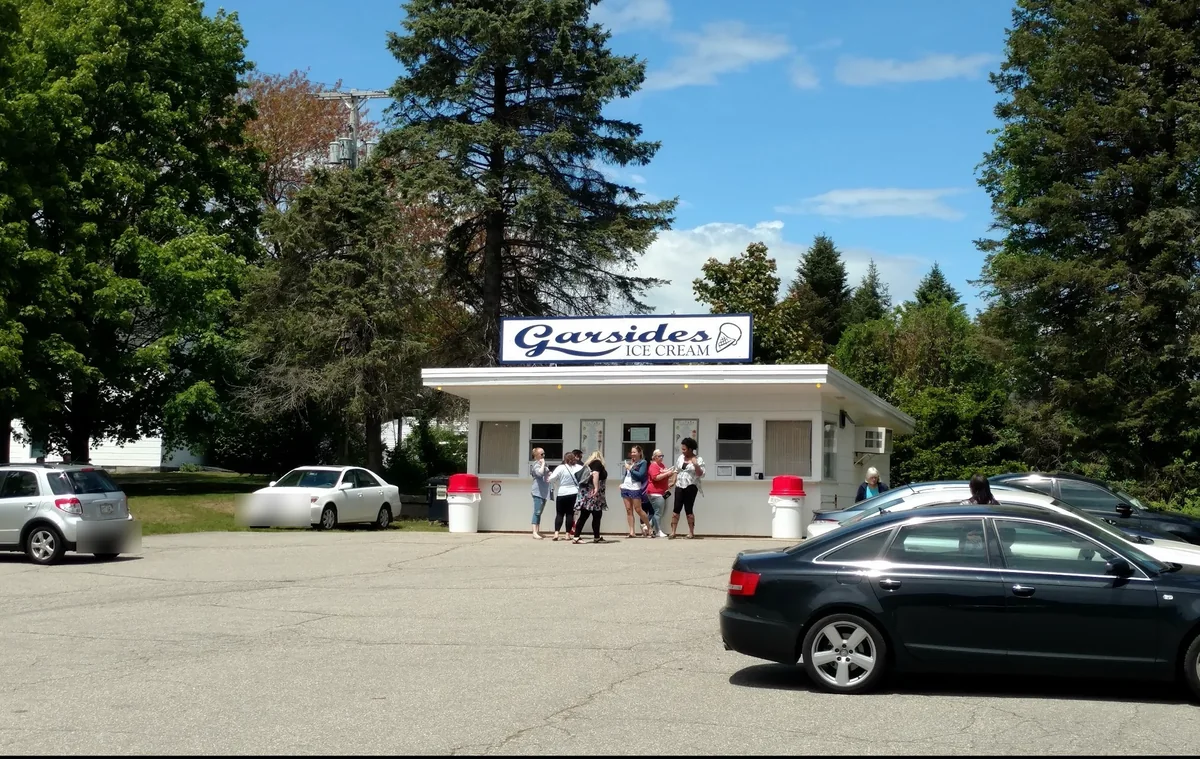
Garside's Ice Cream, Saco, Maine

Garside's Ice Cream in Saco, Maine: a small white stand with a blue script sign and a line of customers at the serving windows on a sunny day.
OperationsProduct developmentHiringTrainingEmployee manualPricingVendor negotiationsMarket research

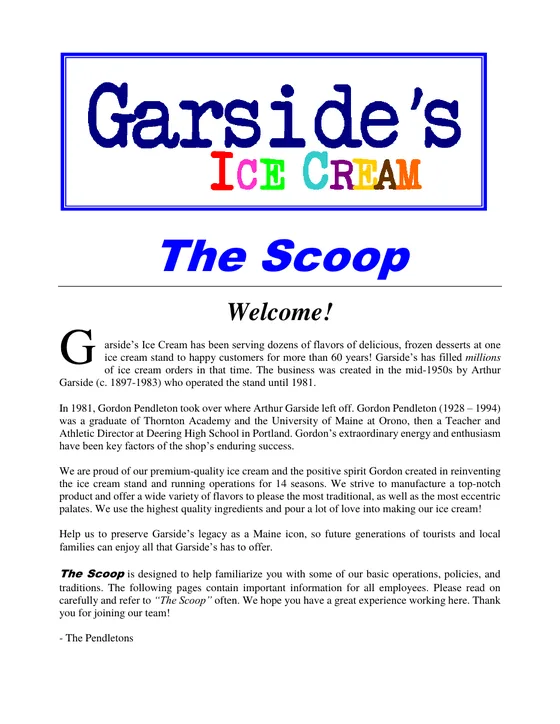
Garside's has made its own ice cream on Ferry Road since 1956. When my family bought it, the summer I finished high school, it already had a loyal following, thirteen flavors and unpredictable hours. We established regular hours, upgraded the cream and expanded the flavors. Revenue rose 800% over the next two seasons.

I made the ice cream and wrote the recipes, about a hundred of them, starting with Mint Chocolate Chip the first summer. Thirteen flavors became forty. I hired and trained every crew, set the prices each spring, placed the dairy orders, painted the building and mowed the grass, most of it on weekends from Boston. We sold it in 2018.

I didn't just sling ice cream. But I absolutely slung ice cream.

Demonstrations

I'd rather show you.

The examples are composites, built from the kinds of documents I've written and rewritten. None of them is a client's. The questions I ask before writing a word are the actual work.

The same facts have to land with four people who need different things from them. One version, four edits. The edits are where the judgment is.

The facts

SOP-0421 rev 7 goes effective Monday, November 2. The cleaning check moves to before batch-record sign-off. Retraining is required. Rev 6 is withdrawn the same day.

Asked first
  • Does the effective date fall before the last training session? No. The last session is Thursday, four days before.
  • Can anyone still reach rev 6, including printed copies? Not in the system after Monday. Printed copies are the gap.
  • Does the system block execution without a training record, or only warn? It blocks.
  • Which shift is exposed? Nights. They train last, so if Thursday slips, one shift runs uncovered.
  • How will we know it worked? Deviation rate on the step, reviewed at 30 days.

Operator on the floor

Starting Monday, November 2, the cleaning check in SOP-0421 changes. You'll record the swab result before you sign the batch record, not after. Your training is Thursday. Until you've completed it, you can't run the step. Rev 6 disappears from the system Monday, so don't print copies.

Date first. The change in one sentence. The gate as a consequence, not a rule. The last line anticipates the workaround.

QA manager

Rev 7 goes effective November 2. Training completion is the gate: no signed record, no execution under rev 7, and rev 6 is withdrawn the same day. The exposure is the night shift, which trains last; I've asked Scheduling to confirm coverage. Effectiveness check at 30 days against deviation rate on the step.

Names the exposure window. The shift that trains last is the risk. A measurable close.

Site head

One procedure changes November 2. No throughput impact if training lands by Thursday; a one-shift gap if it slips. I'd rather hold the effective date a week than run a shift uncovered. Your call by Friday.

Trade-off, recommendation, decision, deadline. Four sentences.

Auditor

SOP-0421 rev 7, effective 2 Nov 2026. Change: cleaning verification recorded prior to batch-record sign-off. Training records on file for all qualified operators prior to first execution. Rev 6 withdrawn 2 Nov. Effectiveness review 2 Dec.

Document numbers, dates, evidence chain. No adjectives.

Work samples

Two PDFs, an article and a cartoon walk into a bar.

The PDFs order a bourbon, neat. The article explains its manufacturing data. The cartoon picks up the tab.

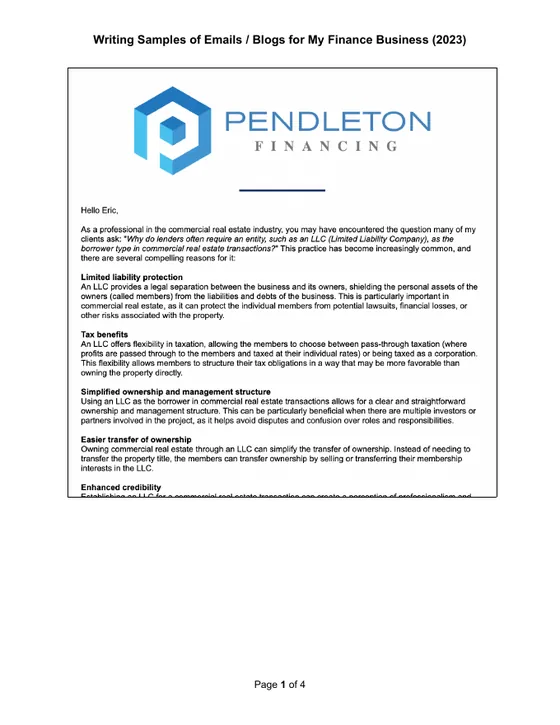
First page of the finance writing samples

Finance Emails and Blog Articles

4 pages · PDF · 0.8 MB · 2023

Four client pieces written for Pendleton Financing, my commercial-lending brokerage: why lenders want an LLC as the borrower, adaptive reuse, getting started in long-term rentals, and 1031 exchanges. Plain English for people about to sign something.

Luminoso Happy Halloween!

Short animation · YouTube

A basic Halloween cartoon I made for the Luminoso blog, years before the animation studio. Great fun. Best at 1.5× speed; the gear icon will get you there.

5 Steps to Unlocking the Value in Unstructured Big Data

Article · Quirk's Media · April 2017

Five practical things to do with the text nobody reads: survey comments, call transcripts, support tickets, social posts. Written for marketing researchers at a point when "text analytics" was a vendor promise more than a practice. Still holds up: the lessons are business strategy and operating habits, not the tools.

How I work with AI

AI made me dramatically faster. It also gave me more places to lose the thread.

So every project runs on four rules borrowed from regulated work, where nothing is finished until someone else has checked it and the evidence is on file.

Spec before build

Nothing gets built until the problem, the audience and what "done" means are written down.

Independent review

A different model reviews the work. No AI grades its own homework.

Proof before release

Tested in real use, checked against logs and sources. A claim without proof doesn't ship.

One current version

One record of the truth, updated in place. Not a pile of drafts that disagree with each other.

AI can generate learning content very fast. It cannot certify that anyone can now do the job.

Selected work samples, 2026

A tool will not fix a broken process any more than training fixes a hiring mistake.

Selected work samples, 2026

Generating information is easy. Keeping track of what actually happens, what matters, and what needs attention is not.

The Hub project sheet, 2026

In a 500-page knowledge base, a quiet fabrication survives review because nobody rereads page 340.

Selected work samples, 2026

The most common failure of AI training: a demo, a burst of enthusiasm, and no behavior change.

Selected work samples, 2026
About

Where the discipline comes from

The work has taken me through pharma, finance, software and entertainment, and into a family ice cream business in Maine. These days, AI helps me take more of it from investigation to execution. I direct the tools, question their output and take responsibility for the result.

Corporate training and quality systems at Takeda, Alexion, Shire, Citizens Bank and others: an enterprise train-the-trainer program, competency-based GxP training, a 500-page knowledge system for a lending platform used by about 2,000 people.

At Lunchbox Labs, an animation studio where I'm a partner and executive producer, I run a human-governed, multi-model AI review workflow for contracts, operating agreements, financial records and investor materials. At Gaia Eco Developments, a regenerative-infrastructure venture where I'm an equity partner, I write the investor narratives, executive briefs and decision materials.

Before that: six years in France, first teaching, then corporate communications and company-wide English training at bioMérieux in Lyon. Fluent French. Conversational Spanish. Boston, remote-first.

Currently
Partner and Executive Producer, Lunchbox Labs · Equity Partner, Gaia Eco Developments
Education
M.S., Business Management, Emmanuel College · M.A., French Language and Literature, Washington University in St. Louis, Teaching Fellowship · B.A., French Language and Literature, Colby College, Psychology minor
Contact

Available for fractional, contract and project work.

Training and enablement, research and technical writing, executive communications, English–French translation, and practical AI adoption.

LinkedIn ↗ Boston · US Eastern · remote-first
↑ Top